
Learn the meanings of common green idioms like “green-eyed monster,” “green with envy,” and “give the green light.” Perfect for ESL learners who want to sound more natural in English.
March is a month full of green—lush landscapes, St. Patrick’s Day, and the first signs of spring. To celebrate, this post explores some colorful “green” idioms that often appear in English conversations, movies, and workplaces.
Idioms are expressions whose meanings aren’t always clear from the words themselves. Learning them helps make English sound more natural and helps with understanding native speakers.
Spring is fast approaching and that has got me thinking about the color green. Did you know there are many different idioms and sayings that contain the word “green” in them? Well, today you will learn some green idioms you can use when talking to friends and co-workers. Spring is coming and so is St. Patrick’s Day! That themed post will come next week. But for today,?
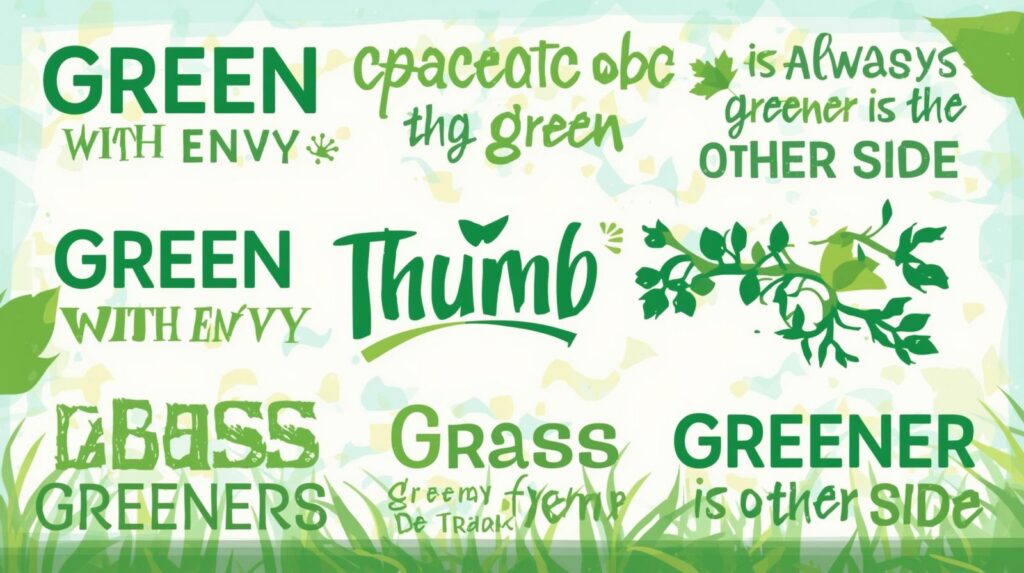
Here are seven “green” idioms worth knowing this season:
🍀 The Green-Eyed Monster
Meaning: Jealousy
Example: “Don’t let the green-eyed monster ruin your friendship.”
This phrase personifies jealousy as a monster that can take over emotions. It’s a vivid way to describe envy in relationships or competition.
🍀 Green With Envy
Meaning: Extremely jealous
Example: “When she saw his new car, she was green with envy.”
This idiom paints a picture of someone so jealous that it almost changes their color—an exaggerated but memorable image.
🍀 The Grass Is Always Greener on the Other Side
Meaning: People often believe others have better situations.
Example: “I thought changing jobs would fix everything, but the grass isn’t always greener.”
This saying reminds that what looks better from afar may not be as perfect up close. It’s a lesson in appreciating what one already has.
🍀 Green Around the Gills
Meaning: Looking sick or nauseous
Example: “You look green around the gills. Are you okay?”
This expression likely comes from the pale, greenish look people sometimes get when they feel ill. It’s often used in casual conversation.
🍀 Green
Meaning: Inexperienced
Example: “He’s a little green, but he’ll learn quickly.”
Calling someone “green” means they’re new to something—whether it’s a job, hobby, or skill—but have potential to grow.
🍀 Greenhorn
Meaning: Beginner or newcomer
Example: “When I first started teaching, I was a real greenhorn.”
A “greenhorn” is another way to describe someone just starting out. It’s often used in friendly or humorous ways.
🍀 Give the Green Light
Meaning: Permission to start something
Example: “The boss gave the green light for the project.”
This idiom comes from traffic signals—green means go. It’s commonly used in workplaces to indicate approval or authorization.
🌿 Final Thoughts
English idioms can seem confusing at first, but learning them adds color and depth to communication. They make speech sound more natural and help with understanding cultural nuances.
So this spring, embrace the “green” spirit—not just in nature, but in language learning too.
Just because English makes no sense sometimes doesn’t mean it can’t be mastered.
Have a great day friends,
Peace
SL Rockfish 😊